Home age defect guide A clearer view of your home, know what to expect before you inspect.
From the inspector
Put together by Elizabeth Maybury, owner and lead inspector at Truvue, to help you understand the age-related risks and BC red flags common to a home based on the year it was built, so you walk into your inspection already knowing what to ask about.
A quick note before you start: these are defects that were common for a given era, not a list of what your home definitely has. A home built between 1940 and 1984 will not automatically have a buried oil tank in the yard, for example. Think of this as a way to know what to look for, ask the right questions, and bring in the right professional to confirm what does and does not apply to your home.
Check all Clear checks Download PDF
Electrical Knob-and-tube wiring BC RED FLAG
1900 to 1950
No grounding and a fire risk. Often uninsurable without remediation, and it can linger after a partial rewire, so confirm none is still active.
Ungrounded (two-prong) wiring
1900 to 1960
No ground path, which is a shock risk and does not meet modern standards.
Aluminum branch wiring (solid conductor) BC RED FLAG
1965 to 1975
Can overheat at connections if not properly serviced. A BC insurance red flag unless it has certified remediation.
Federal Pioneer (Stab-Lok) panels BC RED FLAG
1950 to 1990
Federal Pioneer (Stab-Lok) electrical panels remain approved for use in Canada but have been associated with concerns regarding breaker reliability. While this is not generally considered an emergency, buyers should consult a qualified electrical contractor to discuss the associated risks and replacement costs.
Early transition wiring (2-wire, partial grounding)
1955 to 1965
From the shift to grounded systems. Grounding may be partial or inconsistent.
Plumbing Lead water supply lines
1900 to 1950
A health hazard. Should be identified and replaced.
Galvanized steel supply piping
1900 to 1965
Corrodes internally over time, restricting water flow.
Cast iron waste lines
1900 to 1975
Corrodes and cracks with age. Watch for slow drains and repeat blockages; a camera scope can confirm condition.
Galvanized steel waste piping
1900 to 1965
Horizontal runs rust from the inside out, leading to blockages or leaks.
Brass waste plumbing
1950 to 1975
Can suffer dezincification, a slow internal corrosion, over time.
Polybutylene (Poly-B) water supply BC RED FLAG
1978 to 1998
A history of sudden, unpredictable failure that can complicate home insurance. One of the most common BC red flags. Confirm insurability.
Early PEX fittings
1985 to 2005
Early PEX and its fittings were still being proven. Rare, but worth noting.
Building materials Asbestos-containing materials BC RED FLAG
1920 to 1985
Found in insulation, flooring, joint compound, drywall, HVAC ducting, tape and insulation, and more. Health risk if disturbed.
Vermiculite insulation BC RED FLAG
1940 to 1985
May contain asbestos from the Libby, Montana source mine. It can stay in place if undisturbed, but confirm before any renovation.
UFFI (urea-formaldehyde foam insulation) BC RED FLAG
1970 to 1981
Historically linked to off-gassing concerns. Still flagged by some lenders and insurers.
Asbestos floor tiles (9x9) BC RED FLAG
1950 to 1970
Nine-inch vinyl-asbestos tiles. A health risk if cut or disturbed.
Cement-asbestos siding BC RED FLAG
1955 to 1965
Asbestos-cement siding. A health risk if cut or disturbed.
Lead-based paint
1900 to 1990
A toxicity risk, especially during renovation or when disturbed.
Chinese drywall
1995 to 2005
Rare, but possible. Associated with corrosion and odor issues.
Insulation Little or no insulation
1900 to 1945
Older homes were often built with little to no insulation, meaning higher energy costs.
Low insulation by modern standards
1945 to 2000
Insulation below today's R40 standard. Upgrading reduces heating and cooling costs.
Foundations & structure Stone or brick foundations
1900 to 1930
Early foundations without modern damp-proofing. Prone to moisture migration and movement.
Post-and-beam foundations
1900 to 1950
Common in older homes. Can lack a continuous footing and allow rodent and moisture access.
Balloon framing
1900 to 1940
An older framing method with continuous wall cavities that can act as a fire path.
Site-built (stick-framed) rafters
1900 to 1975
Site-built rafters can sag over time. Newer homes use engineered trusses that hold their shape better.
Dirt or unfinished crawlspace floor
1900 to 1960
A source of moisture, and can attract rodents and pests.
Not anchored to foundation (seismic)
1900 to 1940
Older homes were often not anchored to the foundation, a seismic vulnerability.
Drainage & site No perimeter drain
1900 to 1940
Older homes were often built without a foundation drain, raising the risk of water intrusion.
Clay or concrete drain tile
1920 to 1970
Older clay or concrete drain tile can crack, collapse, or fill with roots over time.
Big-O drainage tile
1970 to 1995
Corrugated Big-O tile has a history of collapse and should be scoped. Replacement can be costly and invasive.
Envelope & windows Single-pane wood windows
1900 to 1955
Poor efficiency and often original, past their service life.
Single-pane aluminum windows
1955 to 1965
Poor efficiency and prone to condensation and heat loss.
Early double-pane windows (seal failure)
1965 to 1985
Seal failure is common at this age, causing fogging between the panes.
Stucco without rainscreen (envelope risk) BC RED FLAG
1985 to 2005
The BC leaky-condo-era issue. Without a rainscreen, moisture can get trapped behind the cladding.
Heating & mechanical Gravity furnace
1900 to 1950
Older gravity furnaces are inefficient and near or past end of life.
Oil-fired heating
1940 to 1975
Older oil heat. Unremediated oil systems are a BC red flag; confirm the tank status.
Natural draft gas appliances
1985 to 1995
Older natural-draft appliances can have combustion-air and venting concerns.
Early HRV installations
2000 to 2012
Early heat-recovery ventilators may be near the end of their service life.
Deck ledger flashing
2005 to 2015
Deck ledger connections and flashing from this period can be prone to failure. Worth a close look.
Oil tanks Underground steel oil tanks BC RED FLAG
1940 to 1985
If present, aging tanks can leak and result in significant environmental cleanup costs. Obtain documentation confirming no buried tank exists, or consult an oil tank scanning contractor.
Indoor steel oil tanks
1940 to present
Corrosion risk over time, regardless of when installed.
Outdoor oil tanks
1960 to 1995
Prone to rust and freeze damage.
Bare copper oil lines
1900 to 2007
Prone to pinhole leaks with age.
Oil tank abandonment documentation
2005 to present
Even where a tank was removed or abandoned, confirm proper documentation exists.
Roofing & chimneys Unreinforced masonry chimney
1900 to 1940
Older masonry chimneys may lack reinforcement and are vulnerable to deterioration and seismic movement.
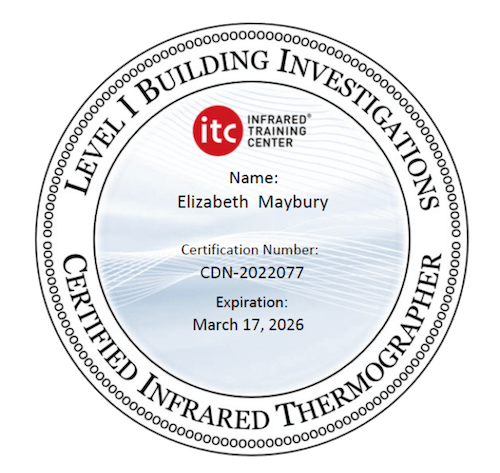
Meet your inspector Truvue Inspections is owned and operated by Elizabeth Maybury (License #84434), a certified home inspector with Consumer Protection BC and over a decade in building science and construction. She built this checklist the way she runs her inspections: total transparency, and giving you the knowledge to care for your most valuable asset.
Book your inspection This checklist is general guidance based on typical construction practices by era and is not a substitute for a licensed home inspection. Individual homes vary, always confirm specifics with a qualified inspector. Provided by Truvue Home Inspections.
Truvue Home Inspections
This checklist is general guidance based on typical construction practices by era and is not a substitute for a licensed home inspection. Individual homes vary, always confirm specifics with a qualified inspector. Provided by Truvue Home Inspections.